
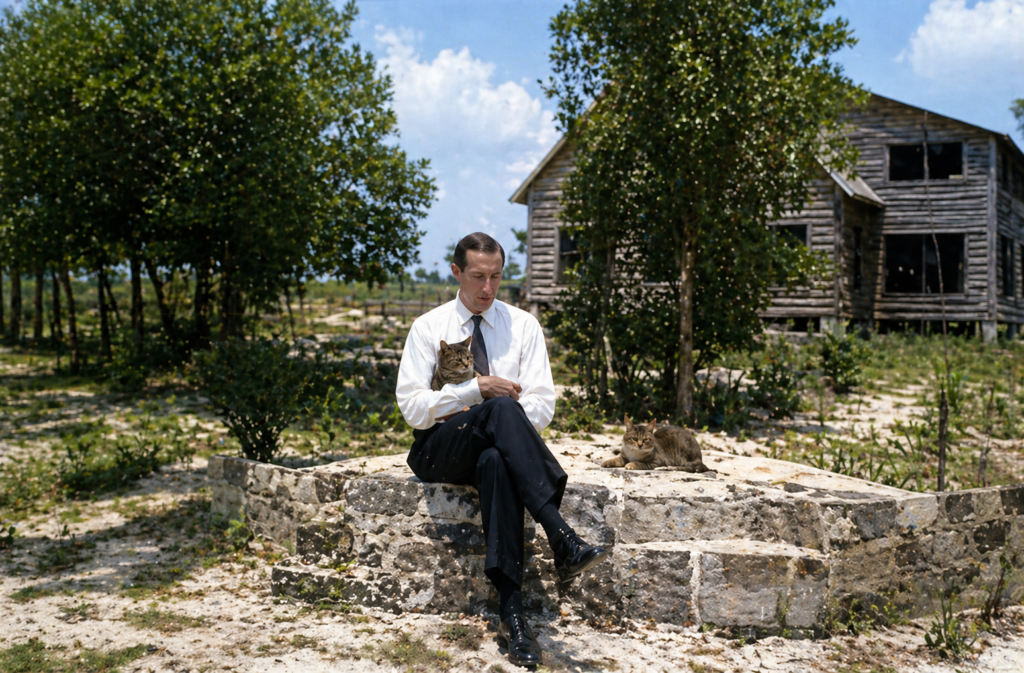
ChatGPT illustration of H. P. Lovecraft at the Barlow home in DeLand, Florida, based on a 1934 photo.
How a teenage fan summoned a master of horror to Florida
When H. P. Lovecraft stepped off the bus in DeLand in the spring of 1934, he expected to meet a working publisher.
For months, he’d been corresponding with R. H. Barlow, who owned a small press in the central Florida countryside. Barlow wrote fluently about publishing, limited editions, and distribution. He described his small operation in detail. He sounded competent, methodical, and immersed in the machinery of print.
What’s more, Barlow wanted to publish Lovecraft’s work. Nothing appeals to a writer more.
By the early 1930s, Lovecraft was already a respected figure in the small but fervent world of weird fiction. His stories of ancient gods and indifferent cosmic forces appeared regularly in Weird Tales.
But at 43, Lovecraft wasn’t wealthy. He wasn’t famous. Much of his income came from revising other writers’ manuscripts, while his own stories appeared in pulp magazines—which were printed on paper meant to deteriorate.
A small press edition could elevate him beyond the pulps.
Lovecraft agreed to meet Barlow in person so they could collaborate. The plan was practical. Barlow would publish Lovecraft’s work through his small press and continue preparing manuscripts for circulation. Lovecraft would stay with him to write, revise, and assist with printing.
When the bus pulled into Deland’s station on Woodland Boulevard, Lovecraft scanned the depot expecting to meet a middle-aged man with years of experience under his belt.
Instead, he was greeted by a teenage boy.
The young Robert Hayward Barlow had just turned 16—but he looked 12. He was thin, gangly, socially awkward—and he was star-struck, peering back at Lovecraft through thick, round glasses.
Barlow hadn’t lied about his age. He just never mentioned it. After all, he was everything he said he was in his letters. He did have a small press. He did understand printing. He did intend to publish.
When Barlow first wrote to Lovecraft in 1931, he asked about Lovecraft’s work and current projects. Lovecraft replied. The exchange deepened. Barlow sent stories for critique. He offered to type manuscripts. He described the presses he operated out of his home near DeLand. He talked about printing Lovecraft’s work in small editions. Nothing seemed out of the ordinary.
From Barlow’s point of view, after three years of correspondence, meeting Lovecraft seemed like a natural next step.
Imagine Lovecraft’s surprise when he came face to face with a literal child. At that point, he could have gotten back on the bus and gone on to his next destination. He probably considered it for more than a moment.
Instead, Lovecraft stayed for almost two months—and those weeks in DeLand were some of the best he ever experienced.
Lovecraft found the Florida climate invigorating. He wrote to friends that he felt younger, hatless and coatless in the heat. The weather might have alleviated pain from the early-stage cancer that would eventually kill him.
He gathered berries in the woods. He rowed on the lake behind the house. He and Barlow composed playful verses and traded drafts.
Through Dragon-Fly Press, Barlow printed Lovecraft’s “The Cats of Ulthar” in a limited edition. The two of them set type by hand, then inked and pressed one page at a time. Stories that had first appeared on fragile pulp paper were immortalized in Florida.
Their collaboration extended to fiction. Stories such as “The Battle That Ended the Century” and “The Night Ocean” bear both their names. What began as fandom became partnership.
Lovecraft returned to DeLand the following summer. By then, the shock of Barlow’s youth had settled into respect. In letters to others, Lovecraft praised his intelligence and versatility.
Barlow continued typing manuscripts, creating clean copies while retaining signed originals. Without announcing it, he was building something larger than a collection.
Lovecraft’s literary position remained fragile. He had no major publisher consolidating his work into stable volumes. Much of what he wrote lived in draft or in ephemeral magazines.
In March 1937, Lovecraft’s health failed. Shortly before his death at 46, he appointed Robert H. Barlow his literary executor.
The teenager in thick glasses—the boy who had once waited nervously at a DeLand bus stop—was entrusted with immortalizing Lovecraft’s work.
What followed changed the course of literary history. We’ll cover that in a future post.
Slideshow: H. P. Lovecraft in DeLand
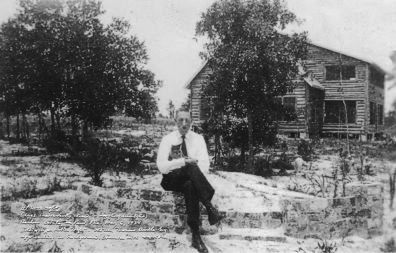
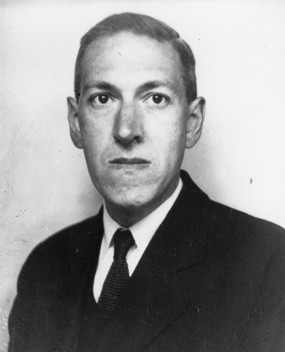
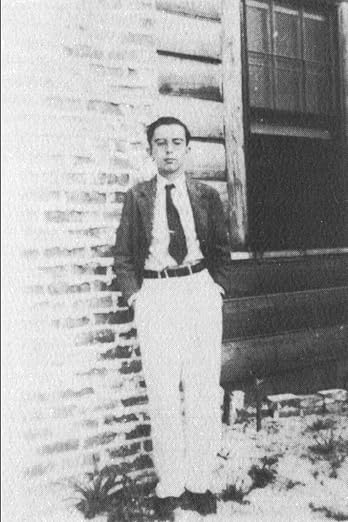

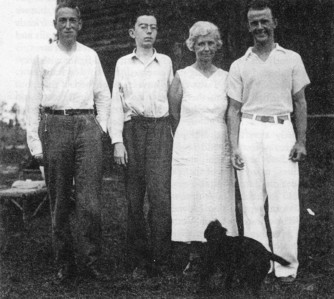
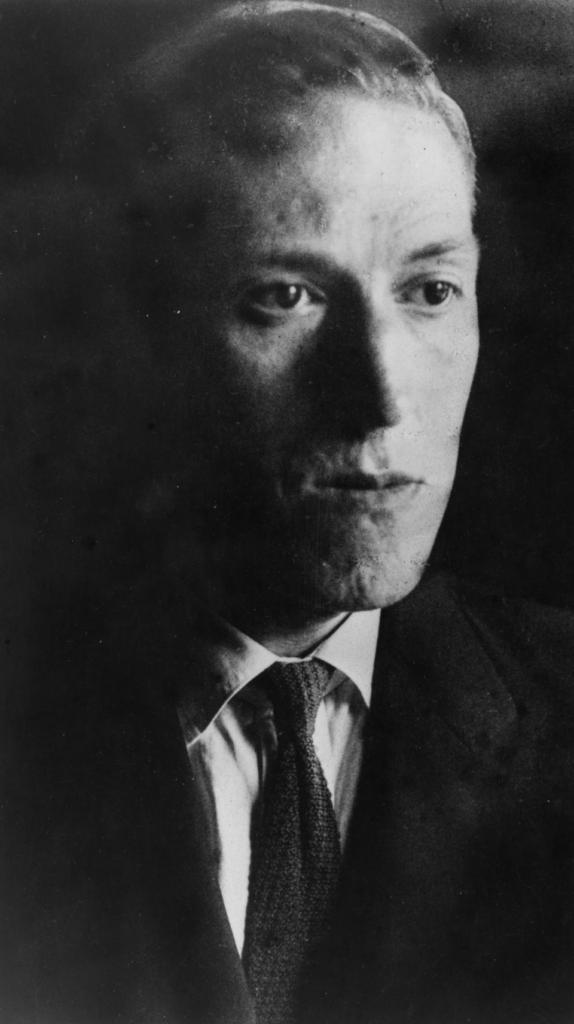
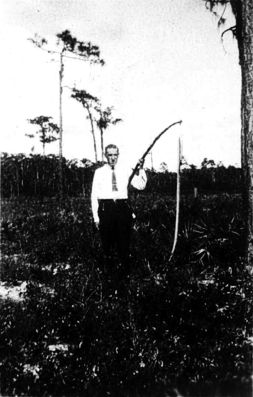
Images of H. P. Lovecraft courtesy of the H.P. Lovecraft Photo Gallery, hplovecraft.com/life/gallery.aspx