
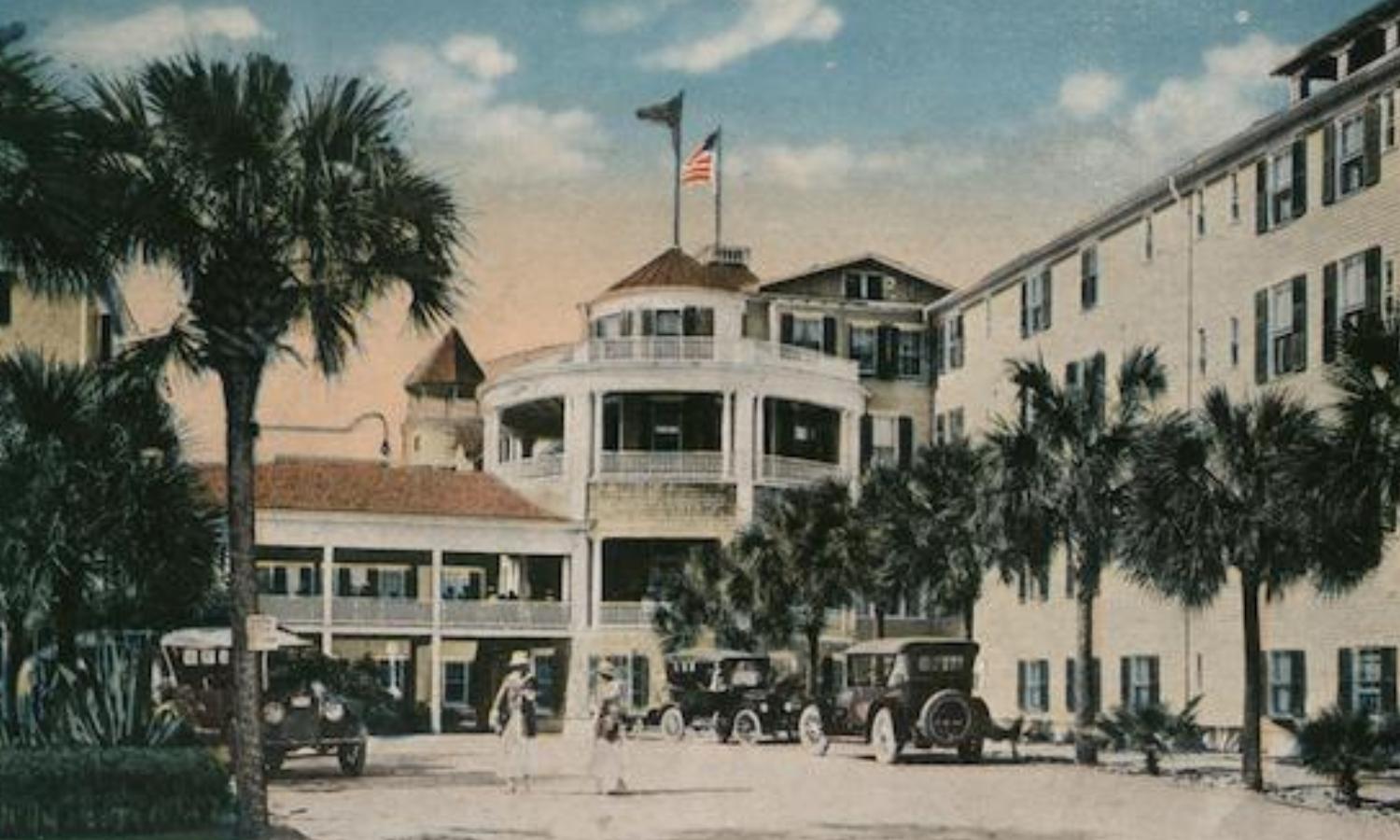
Ormond Beach: Where Elegance Met the Ocean
Once a Gilded Age resort for America’s wealthiest travelers, Ormond Beach remains a place where history, art, and ocean light converge.
Ormond Beach began as a winter haven for industrialists drawn to its coastal winds and palm-shaded riverside. Henry Flagler’s railroad and the grand Ormond Hotel transformed the quiet shoreline into a playground for invention and leisure, where automobiles first tested their speed against the sand. Decades later, artists, writers, and preservationists found inspiration in the same landscape—its mixture of movement, calm, and grace. Today, Ormond Beach holds onto both identities: genteel resort and creative enclave, equally defined by the whisper of the surf and the shade of its live oaks.
Key Landmarks
The Casements — 25 Riverside Drive. Once the winter home of John D. Rockefeller, the estate became Ormond Beach’s cultural heart. The mansion’s name comes from its distinctive window casements that open onto the Halifax River. Now a museum and community center, it hosts art exhibits, festivals, and historical programs year-round.
Ormond Memorial Art Museum and Gardens — 78 E. Granada Blvd. Built in 1946 as a tribute to veterans, the museum and its surrounding gardens celebrate peace through art. The museum showcases regional artists and offers creative workshops amid tropical plantings, koi ponds, and walking paths.
Birthplace of Speed Park — 21 Ocean Shore Blvd. This oceanfront park commemorates the early automobile speed trials held on Ormond’s beach before the sport moved to Daytona. Interpretive displays and the ocean view evoke the thrill of those first races against the tide.
Fortunato Park — 2 John Anderson Drive. Located across from The Casements, this park sits on the former grounds of the Ormond Hotel, once one of Flagler’s grandest resorts. The hotel was demolished in 1992, but the park preserves its history with interpretive markers and sweeping riverfront views.
Tomoka State Park — 2099 N. Beach St. Nestled along the Tomoka River, this 2,000-acre preserve offers trails, kayaking, and a glimpse of the region’s ancient past. The site was once home to the Timucua people and later inspired artists drawn to its quiet waterways and Spanish moss canopies.
Brief History (Timeline)
1886 — Henry Flagler extends his railroad to Ormond, establishing it as a luxury winter resort.
1903 — First automobile time trials are held on Ormond’s beach, earning it the title “Birthplace of Speed.”
1918 — John D. Rockefeller purchases The Casements as his Florida residence.
1946 — Ormond Memorial Art Museum and Gardens founded as a veterans’ memorial and cultural institution.
Late 20th–21st c. — Historic preservation and arts programming restore Ormond’s identity as both heritage site and creative community.
Writing Prompts
A visitor to The Casements discovers a handwritten ledger in Rockefeller’s study—a guestbook signed by people who shouldn’t have met.
A painter at the Ormond Memorial Museum finishes a landscape, only to notice a face forming in the reflected water.
At the Birthplace of Speed Park, a local journalist uncovers an old film reel buried in the dunes, its first frames showing a race no record ever listed.
An author renting a cottage along the Tomoka River hears distant applause each night when the tide turns.
A storm breaks over Granada Boulevard, and the street’s neon reflections merge with ghosts of hotel chandeliers from a century ago.
Map
Google Map — Ormond Beach (click to open)
Main Streets & Thoroughfares
Granada Boulevard (State Road 40) runs east–west through the heart of Ormond Beach, connecting the mainland to the barrier island via the Granada Bridge. It links historic downtown, the arts district, and the oceanfront.
John Anderson Drive parallels the Halifax River, lined with historic homes and shaded oaks. It’s a scenic drive that captures Ormond’s Old Florida charm.
Ocean Shore Boulevard (A1A) follows the Atlantic coast, offering continuous ocean views and access to beach parks and the Birthplace of Speed monument.
U.S. 1 runs north–south inland, connecting Ormond Beach to Daytona Beach and Palm Coast while serving as a commercial corridor through town.
Nova Road (State Road 5A) provides a central north–south connection through residential and shopping districts west of U.S. 1.
Sources
The Casements history and programs — ormondbeach.org … The Casements
Ormond Memorial Art Museum and Gardens — ormondartmuseum.org
Birthplace of Speed Park — ormondbeach.org … Birthplace of Speed Park
Fortunato Park — ormondbeach.org … Fortunato Park
Tomoka State Park — floridastateparks.org … Tomoka State Park
Curated by Cielle Kenner, novelist and founder of VolusiaWriters.org.